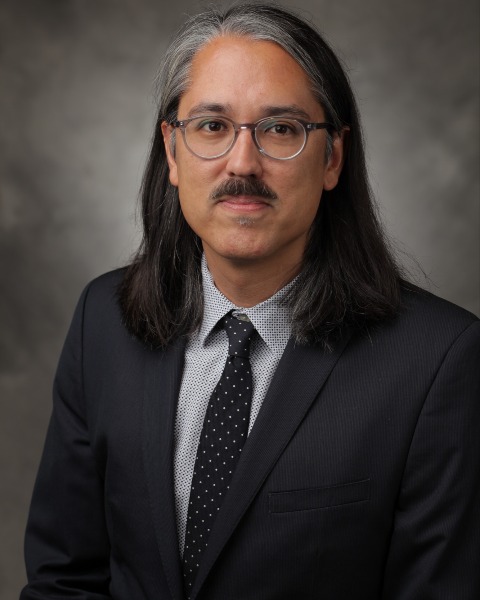
Pediatric Hematologist Aflac Cancer and Blood Disorders Atlanta, United States
Over the last few decades industry has partnered with patient advocacy groups, physicians, providers and key opinion leaders to be able to conduct clinical trials in males with congenital bleeding disorders. Through this concerted effort they been successful in demonstrating hemostatic efficacy of standard half life products, extended half life products and most recently non-factor therapies, subsequently achieving authority (FDA and EMA) approval. The infrastructure is well established and organized around demonstrating the hemostatic benefit of a clotting factor concentrate or non factor therapy using traditional outcomes such as annualized bleed rates.
For women and girls+ with bleeding disorders (WGBD+), there are challenges starting with poorly defined and validated primary outcomes with flawed instruments, when the outcome target is reduction in menstrual blood volume. In addition, when industry is seeking drug approval they are faced with the challenge of convincing authorities that a novel therapy, which may or may not have costly reproductive toxicity studies done can be safely studied in women+ of reproductive age. Furthermore if menstrual bleeding is the target bleeding event, to demonstrate benefit, authorities may require highly effective contraception that comes in a variety of forms which can lead to variable outcomes or limit enrollment feasibility. In addition to structural sexism, the aforementioned challenges have prevented much progress in producing therapies that are highly effective in menstrual bleeding reduction in WGBD+.
In this presentation we will highlight the challenges and offer some solutions to create the infrastructure necessary to successfully execute clinical trials for WGBD+ and encourage additional studies to target reproductive tract bleeding.
Learning Objectives:
There are a number of challenges in conducting clinical trials in WGBD+ in which the focus or primary outcome is menstrual bleeding. In this session we will discuss those challenges and offer solutions.